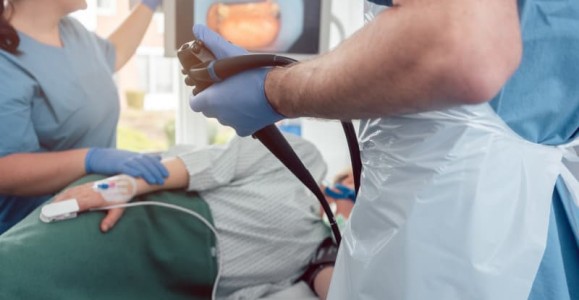
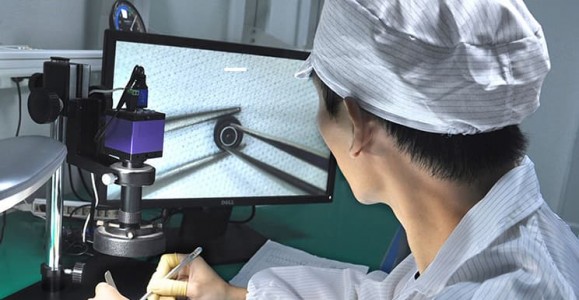
Rigid Endoscope Camera Main Unit:STORZ Image1/4K、WOLF 5516/5525、Stryker 1188/1288HD
Flexible Endoscope Processor:Olympus CV-160/170/290, Fujifilm EPX-3500/4400, Pentax EPK-i7000
Light Source Main Unit:XL-4450, CLV-290, Storz 300W Xenon Light Source, Richard Wolf 250 Light Source
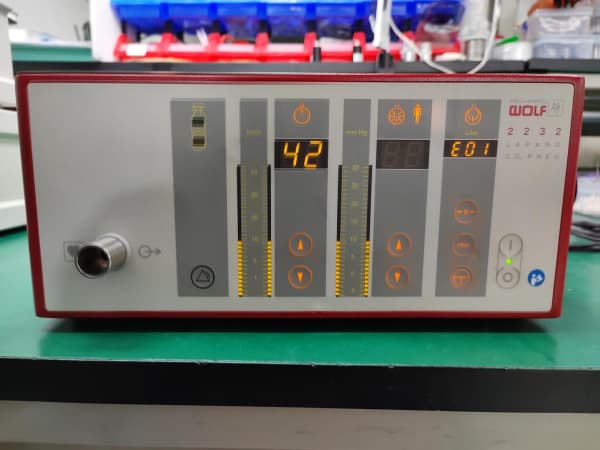
Supporting Function Main Unit:Storz Insufflator, Stryker Power Console, Hysteroscopic Irrigation Pump, High-frequency Electrosurgical Unit
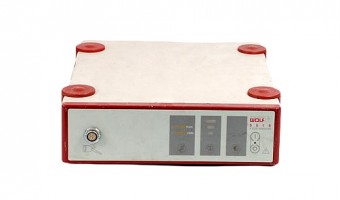
Endoscopy tower
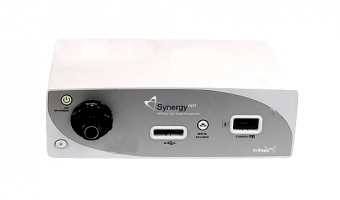
Endoscopy tower
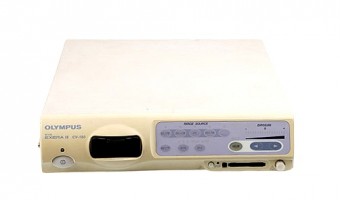
Endoscopy tower
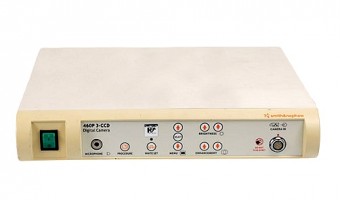
Endoscopy tower
















Common Faults of Camera Main Unit Repair
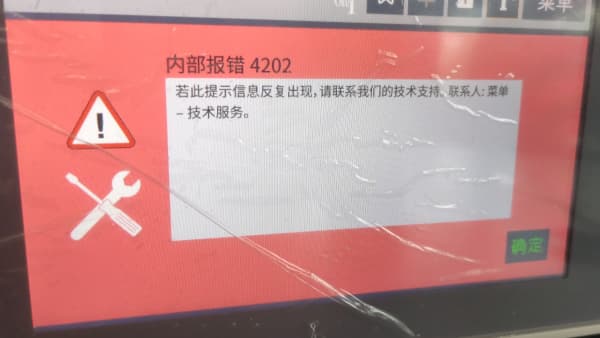
Image faults:No image, color cast, screen flicker & horizontal stripes, snow noise, image flickering & shaking, dim image, image stuttering; Power supply: Failure to power on, repeated restarting, no indicator light after power-on, automatic power-off during operation;
Output interface:No signal output, intermittent image, poor contact;
Recognition module:Camera not detected, communication error, CCD recognition failure;
Panel buttons:Button failure, key ghosting, ineffective adjustment;
Storage module:Parameter reset upon startup, white balance cannot be saved;
Heat dissipation:Overheated chassis, shutdown due to high-temperature protection;
White balance:Calibration failure, color disorder;
Common Faults of Light Source Main Unit Repair
Light beam:No light output, insufficient brightness, light flicker, discolored light;
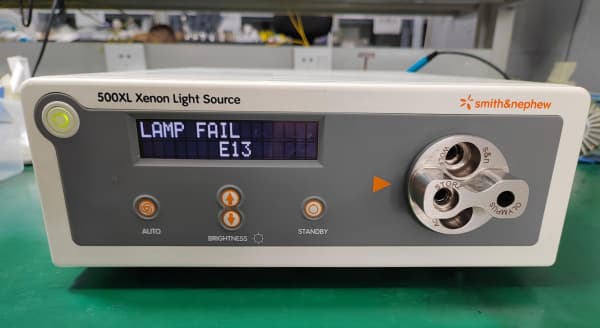
Lamp:Lamp alarm, automatic shutdown after several seconds of lighting, light locked when lamp service life expires;
Heat dissipation:Overheated chassis, light turned off by overheat protection;
Optical interface:Overheated connector, optical path error;
Power supply:Failure to power on, no response after power-on;
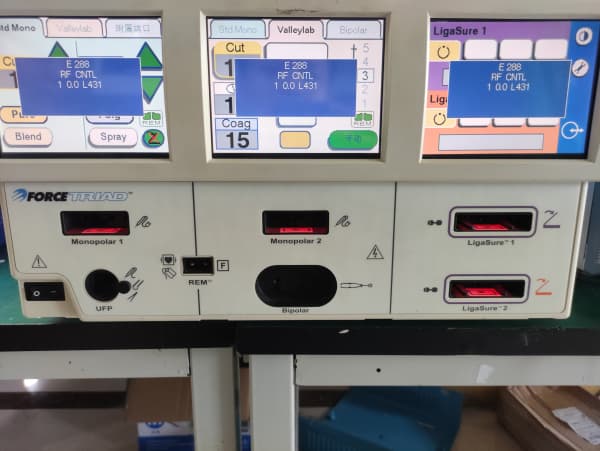
Common Faults of High-frequency Electrosurgical Unit Repair
Power output:No cutting and coagulation output, weak power, no output in monopolar/bipolar single channel;
Alarms:Patient plate circuit alarm, overload alarm, shutdown due to over-temperature protection;
Control:Footswitch failure, automatic continuous output, button disorder;
Safety faults:Intraoperative skin burns, electric leakage stinging sensation;
Power supply:Unit fails to power on, no display after power-on;
Common Faults of Insufflator Repair
Gas source:No gas output, low gas source pressure alarm;
Pressure:Excessively high pressure unable to drop, low pressure failing to reach set value;
Flow rate:Slow inflation, insufficient flow;
Leakage: Continuous gas leakage alarm, slow pressure relief and poor exhaust;
Protection: :Overheated chassis, emergency exhaust due to overpressure, shutdown due to overheating;
Operation panel:Button failure, fluctuating pressure reading, calibration failure;
Power supply: Unit power failure, blank screen;

 01
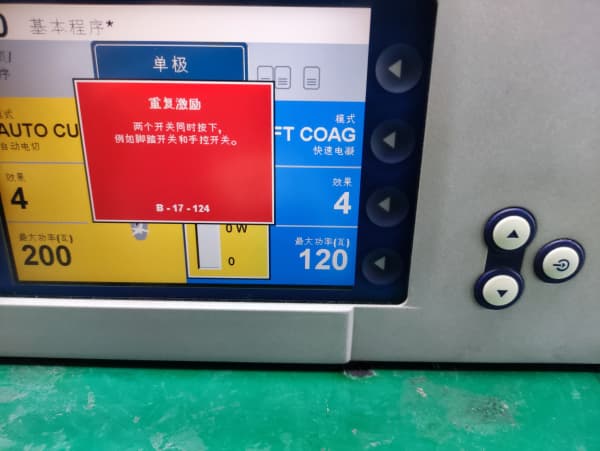
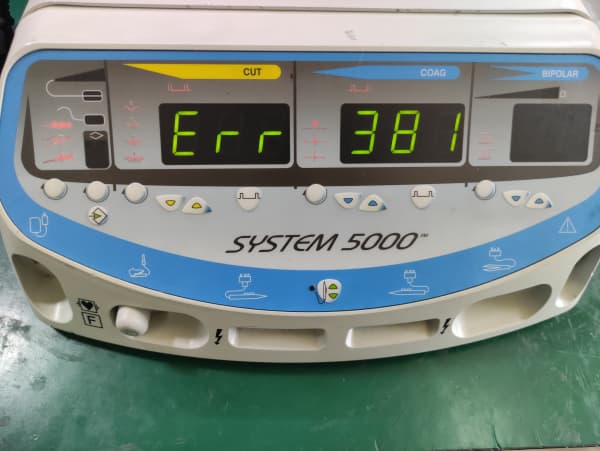
After communicating with customer service, send the faulty equipment to the repair center.
 02
Upon receipt of the equipment, the repair center takes photos for filing and diagnoses the faults.
 03
Based on the equipment testing results, our repair service center will discuss the repair solution with you, including specific repair items and costs.
 04
Once the repair solution is confirmed, our engineers will start repairing the equipment, which may involve parts replacement, cleaning, calibration and other operations.
 05
After the repair is completed, our repair service center will re-inspect the equipment with professional tools to ensure normal operation, and provide test videos to the customer.
 06
After completing the pre-delivery inspection, we will ship the equipment back to you via SF Express to ensure safe return.